
Why Pure Copper Conductors in Matter EV Charging Cables
A closer look at the material inside the cable—and its role in everyday EV charging.
A crucial part of every charging connection
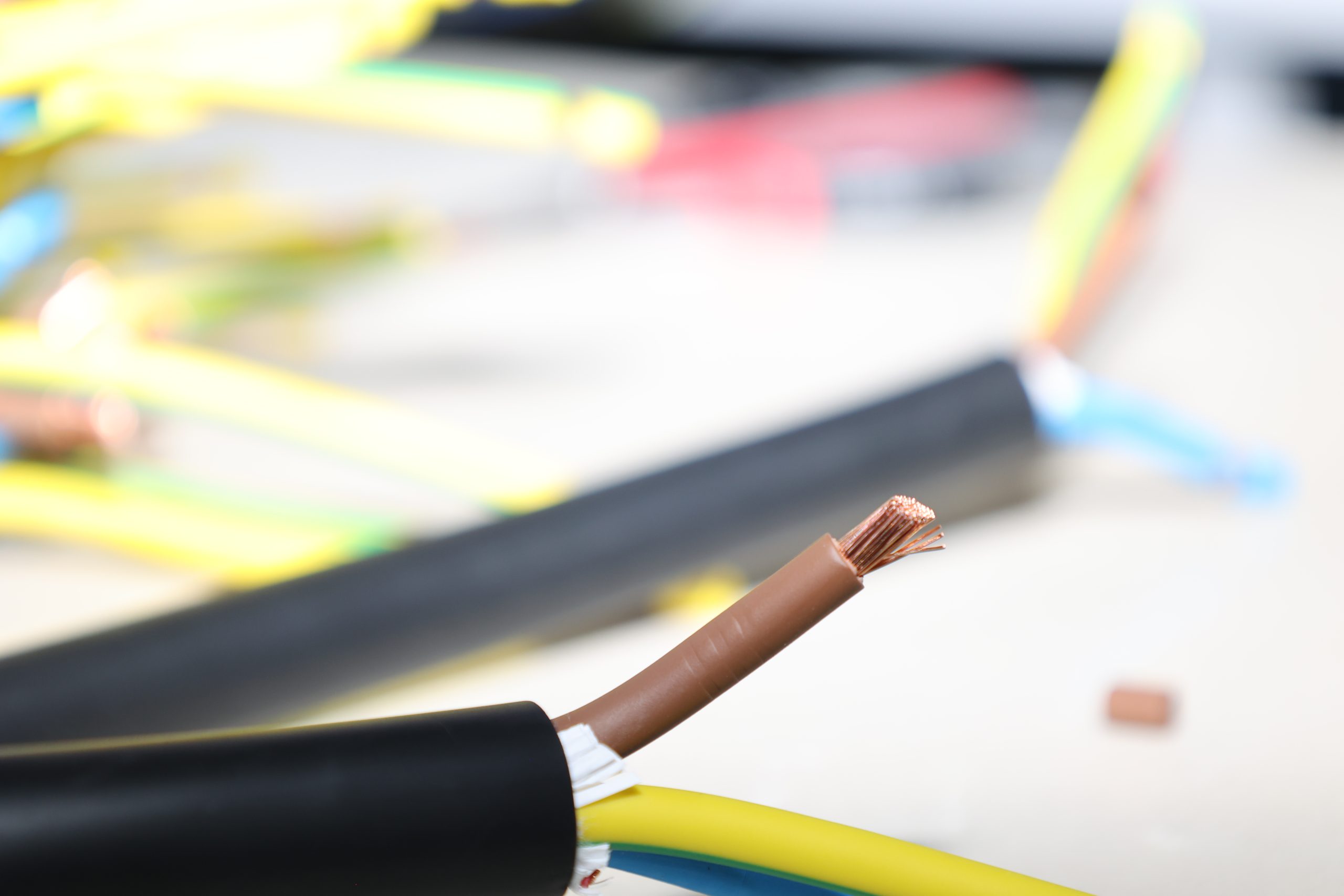
When you plug in an electric vehicle, the charging cable carries electrical current from the charging equipment to the vehicle. Inside the cable, copper conductors play an essential role in this process.
At SHINEYOU, we use pure copper conductors in our EV charging cables. Their excellent electrical conductivity makes copper a suitable material for power transmission.
Why choose pure copper?
Copper is widely used in electrical conductors because of its excellent electrical conductivity. It allows current to pass through the cable with relatively low resistance.
All conductors have some electrical resistance. As current flows, part of the electrical energy is converted into heat. Selecting a suitable conductor and cable design helps manage this heat during charging.
Conductivity
Copper provides excellent electrical conductivity for power transmission.
Resistance
Conductor resistance affects the electrical energy converted into heat.
Daily handling
Cable construction and materials influence flexibility during everyday use.
Why conductor size matters
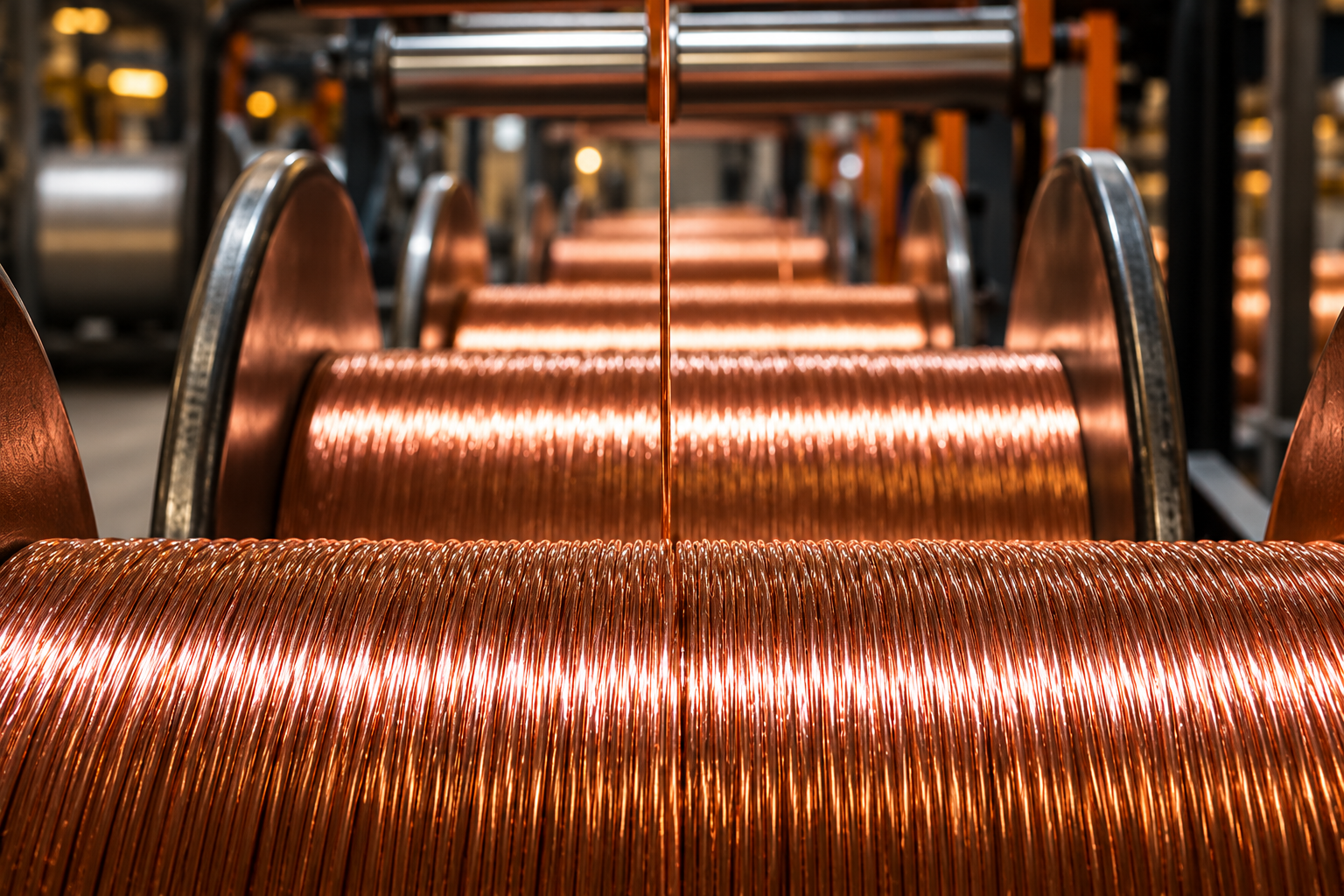
The conductor’s cross-sectional area is an important part of cable design. For the same material and length, a larger cross-sectional area generally means lower electrical resistance.
However, conductor size alone does not determine how much current a charging cable can carry. Insulation, cable construction, temperature rating and operating conditions also matter. The complete cable needs to match the equipment’s rated current and intended use.
Flexibility for everyday charging
Home charging cables are handled, moved and stored repeatedly. Many flexible cables use multiple strands of copper wire in each conductor. Overall flexibility and durability also depend on the insulation, outer jacket and cable construction.

More than just copper
A dependable charging cable relies on several components working together: copper conductors carry current, insulation separates the conductors, the outer jacket protects the cable, and the connector and terminations provide the electrical connection.
Pure copper is an important part of the design. The right conductor size, cable construction and rated current also matter when choosing a charging solution.
Looking for EV charging solutions?
Talk to the SHINEYOU team about your product and business requirements.